Lagos flooding today shows why Nigeria needs neighborhood alerts that move faster
Ajah flooding, wider 2026 flood warnings, and recent wet-road crashes show why Nigerian neighborhoods need faster local alerts alongside official emergency updates.
What happened this week
Residents and commuters around the Mobil Road axis in Ajah, Lagos, raised fresh concerns this week about recurring flooding after recent rainfall. The report described movement delays, disruption for schoolchildren, business losses, emergency access concerns, and worries about contaminated floodwater.
That local report fits a wider national pattern. NEMA recently warned that more than 30 states could face severe flooding during the 2026 rainy season and urged states and local authorities to clear drains, strengthen emergency committees, and improve preparedness. NiMet's 2026 Seasonal Climate Prediction also points to variable rainfall, warmer conditions, and places where the rainy season may be longer than normal.
The missing layer is street-level information
Official weather and emergency advisories are essential, but they are usually broad. A forecast can warn of heavy rain across a region, while residents still need to know which exact streets are flooded, which routes are passable, and whether school buses, ambulances, traders, or delivery riders are already stuck.
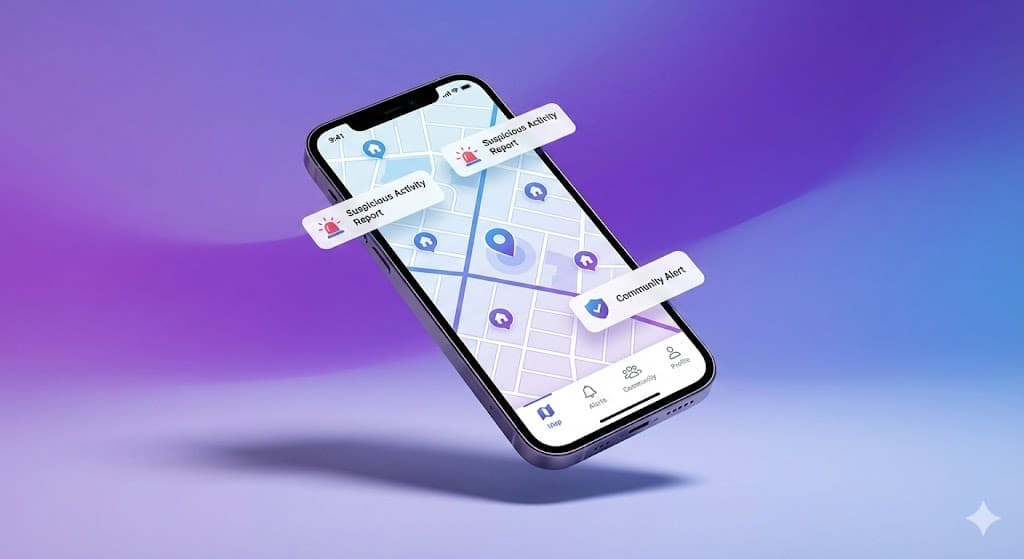
That is where a neighborhood app becomes practical. Watchdoor is not a replacement for NiMet, NEMA, LASEMA, FRSC, the police, hospitals, or state emergency services. It is a local coordination layer that helps residents organize what people nearby are seeing in real time.
- A flooded street before the morning school run
- A blocked estate gate or access road after rain
- A wet-road crash that slows traffic on a familiar route
- A power issue, drainage problem, or emergency response delay in one neighborhood
How Watchdoor can help Nigerian neighborhoods respond faster
When information lives only inside scattered WhatsApp messages, people miss updates or see them too late. In Watchdoor, a flood alert, traffic notice, power issue, or community post can sit in the neighborhood feed where residents can check it before making a decision.
This is especially useful during rainy season because conditions can change quickly. A road that looked manageable at 7 a.m. may become unsafe by 9 a.m. A single local post can save another resident from a wasted trip, a damaged car, or a long detour.
- Post a flood or road alert with clear location context
- Ask neighbors whether a route is still passable before leaving home
- Share official notices into the local feed so they do not get buried in chat
- Help estate managers, local businesses, and residents coordinate around closures or delays
For businesses, local disruption is also a customer problem
Flooding does not only affect commuters. It affects shops, clinics, food vendors, delivery operators, schools, estate offices, and service providers. If customers cannot reach a road, or if a business has to close early because water entered the street, local communication becomes part of operations.
Watchdoor business tools can help nearby businesses stay visible inside verified neighborhoods and share practical updates when normal movement changes. That makes the platform useful for both residents and the local operators who serve them.
The practical takeaway for residents today
If your area is flood-prone, keep following official advisories and emergency instructions. Also build a habit of sharing precise neighborhood updates: the road name, the direction affected, whether vehicles are passing, whether children or elderly residents need help, and whether the issue has been reported to the right authority.
Nigeria's rainy season will not affect every street the same way. A stronger neighborhood alert system helps people turn broad warnings into local decisions, and that is exactly the kind of everyday problem Watchdoor is built to support.
Sources used for this article
Quick answers
Can Watchdoor help during flooding in Nigeria?
Watchdoor can help residents share and find neighborhood-level updates about flooded streets, blocked access roads, traffic delays, power issues, and local safety notices. It should be used alongside official alerts from agencies such as NiMet, NEMA, LASEMA, FRSC, and state emergency channels.
Why are neighborhood alerts useful if official weather warnings already exist?
Flooding affects streets differently. One junction may be passable while the next road is blocked. Neighborhood posts help residents add local context that official forecasts cannot always provide at street level.
What should residents do when flooding affects their area?
Residents should follow official emergency instructions first, avoid moving through floodwater, report urgent incidents to the right authorities, and use local updates to plan safer routes and keep neighbors informed.
Keep exploring Watchdoor
Use the feature overview to understand the full platform, or visit the business page to see how local growth tools fit into the broader neighborhood product.