What Watchdoor learned from Nextdoor, and why Nigeria needs its own neighborhood app
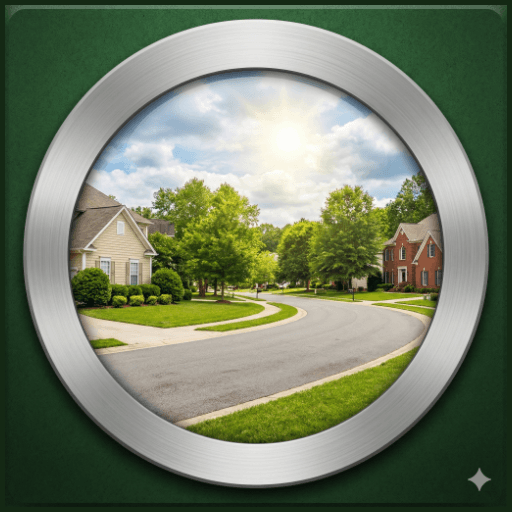
What Watchdoor learned from Nextdoor's neighborhood model and how that idea becomes more useful when adapted for Nigerian estates, streets, compounds, and local business discovery.
What Nextdoor proved about neighborhood products
Nextdoor's public product story is built around a simple idea: people care deeply about what is happening close to home. Safety alerts, local recommendations, for-sale listings, neighborhood events, and business discovery all become more useful when they are tied to a real place and a trusted audience.
That model matters because it moved the neighborhood internet away from anonymous noise and toward practical local utility. Instead of asking people to build community from scratch, it centered the product around the street, block, estate, or immediate area that already shapes daily life.
Why the Nigerian version has to go deeper
Nigerian neighborhoods operate with a different level of daily coordination than most generic social apps understand. In many estates and streets, residents need one place to hear about security incidents, gate rules, visitor issues, landlord or tenant concerns, service provider referrals, and local opportunities without relying on scattered group chats.
The result is that a useful Nigerian neighborhood app cannot stop at alerts alone. It has to cover the local realities of how people move, trade, rent, sell, recommend, and help each other in places like Lagos, Abuja, Port Harcourt, Ibadan, and fast-growing suburban estates.
- Security and suspicious activity updates
- Flooding, traffic, and road closure alerts
- Power, water, and estate operations announcements
- Property discovery, marketplace activity, and trusted artisan referrals
Where Watchdoor fits
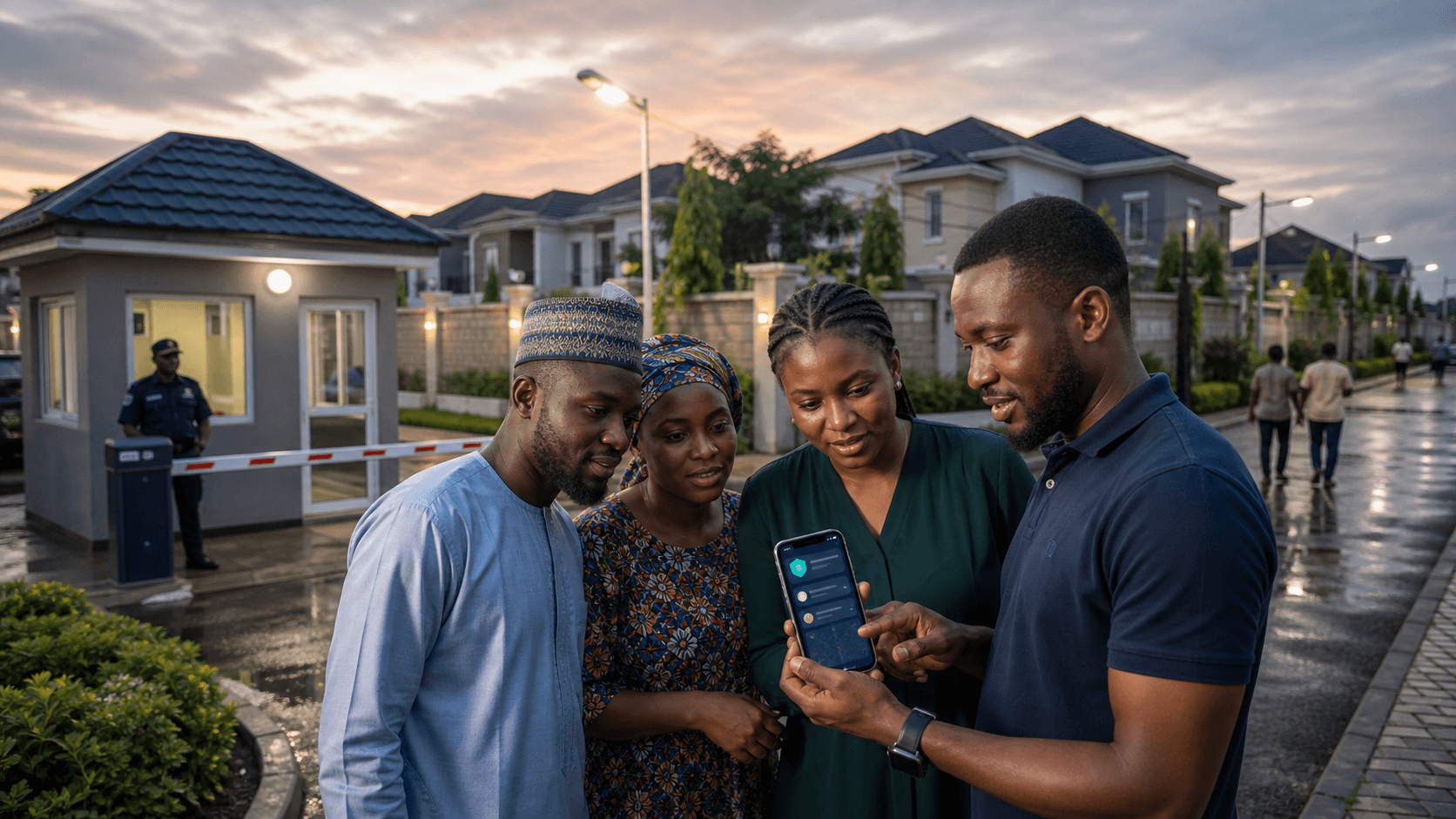
Watchdoor takes the trusted-neighborhood logic that made Nextdoor meaningful and adapts it to a Nigerian market where community trust, convenience, and local business relevance are tightly connected. A resident might open the app for a gate security update in the morning and return later to find a nearby rental, a reliable electrician, or a neighborhood event.
That mix is not feature creep. It is the real shape of local life. If Watchdoor becomes the place where residents get useful updates and businesses earn local trust, then it stops being just an app and starts becoming neighborhood infrastructure.
- Verified neighborhood access and trust controls
- Safety alerts and a structured local feed
- Marketplace, property, and local discovery tools
- Business promotion surfaces for nearby merchants and service providers
Quick answers
What did Nextdoor get right?
Nextdoor helped prove that neighbors want one local product for alerts, recommendations, marketplace activity, events, and business discovery instead of fragmented tools.
Why does Nigeria need a localized neighborhood app?
Nigerian neighborhoods need more than a generic social feed because residents often coordinate around security, gate access, rent and property discovery, artisans, traffic diversions, flooding, power issues, and trusted local trade.
How is Watchdoor different from copying Nextdoor directly?
Watchdoor is designed around Nigerian neighborhood behavior: verified local spaces, safety alerts, local feed, property and marketplace discovery, events, chat, and business visibility in one platform.
Keep exploring Watchdoor
Use the feature overview to understand the full platform, or visit the business page to see how local growth tools fit into the broader neighborhood product.